
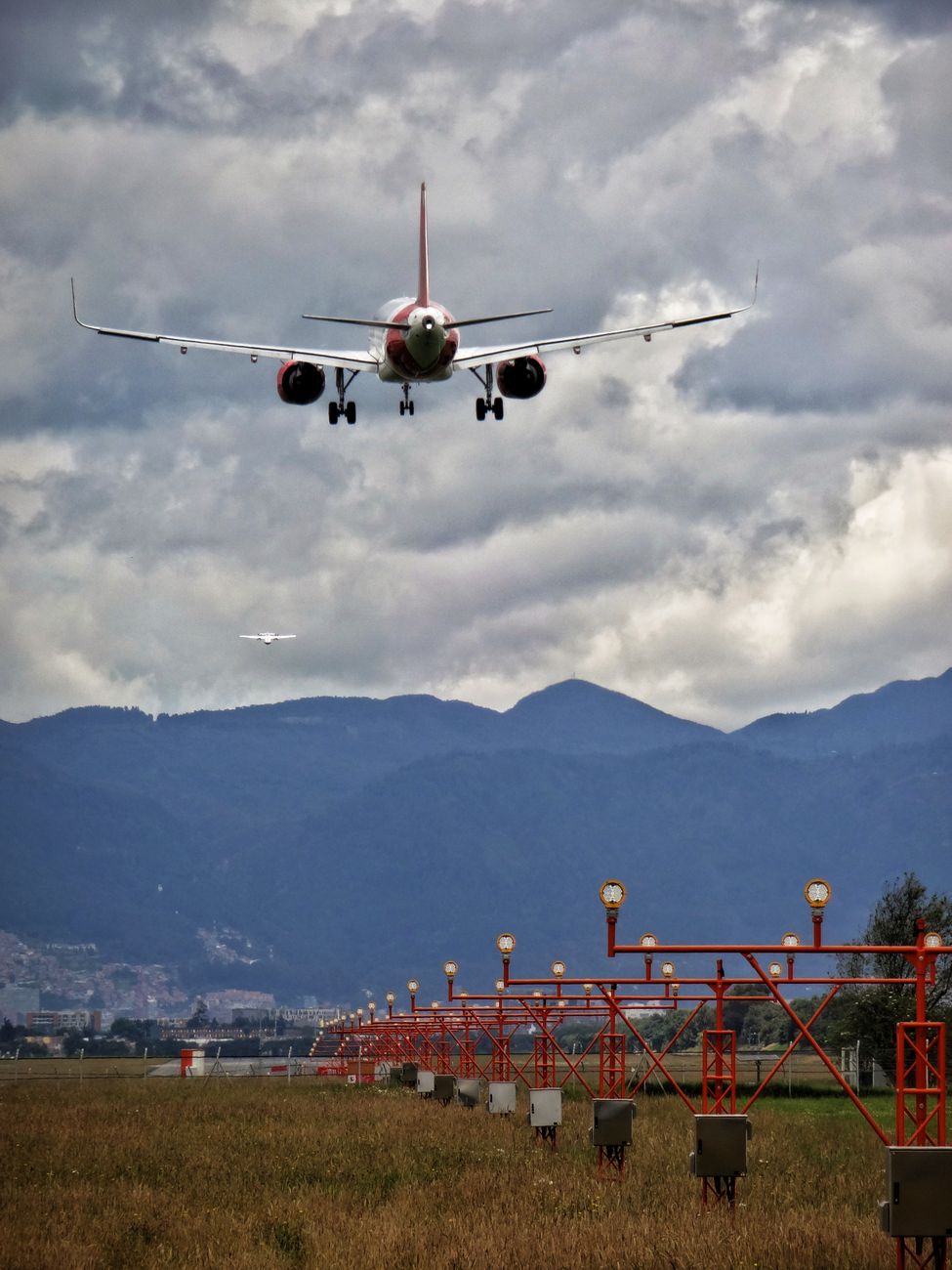
Updated: November 2026 — flight departure points, fares and seasonal schedules for Lukla change every season; confirm your departure airport and fare with your airline before you travel (see the checklist at the end of this post).
The flight to Lukla is the part of an Everest trek that most first-timers worry about more than the walking — and the part travel articles love to dramatise. You have probably seen the headline: "the world's most dangerous airport."
This post is the calm version: what the runway actually is, why that label is both fair and misleading, why your flight probably does not leave from Kathmandu, and what happens when the weather says no. Figures were checked against 2026 sources.
The short answer
- The airport is genuinely demanding, not genuinely reckless. Tenzing-Hillary Airport has a runway just 527 metres long, sloped steeply uphill, at nearly 2,900 metres above sea level, with no instrument landing system, no radar and no go-around once a pilot commits. That is why it tops "most dangerous airport" lists.
- It is also flown safely, dozens of times a day, in good weather. Flights are cancelled at the first sign of marginal conditions — a cancelled flight is the safety system working, not failing.
- In peak season, you almost certainly fly from Ramechhap, not Kathmandu. In spring (roughly March–May) and autumn (roughly October–November), Lukla flights shift to Manthali Airport in Ramechhap, a 4–5 hour pre-dawn drive east of Kathmandu.
- Delays are normal, not exceptional. Multi-day closures happen most seasons. Build in two buffer days at the start and two at the end, or a cancelled flight can cost you your flight home.
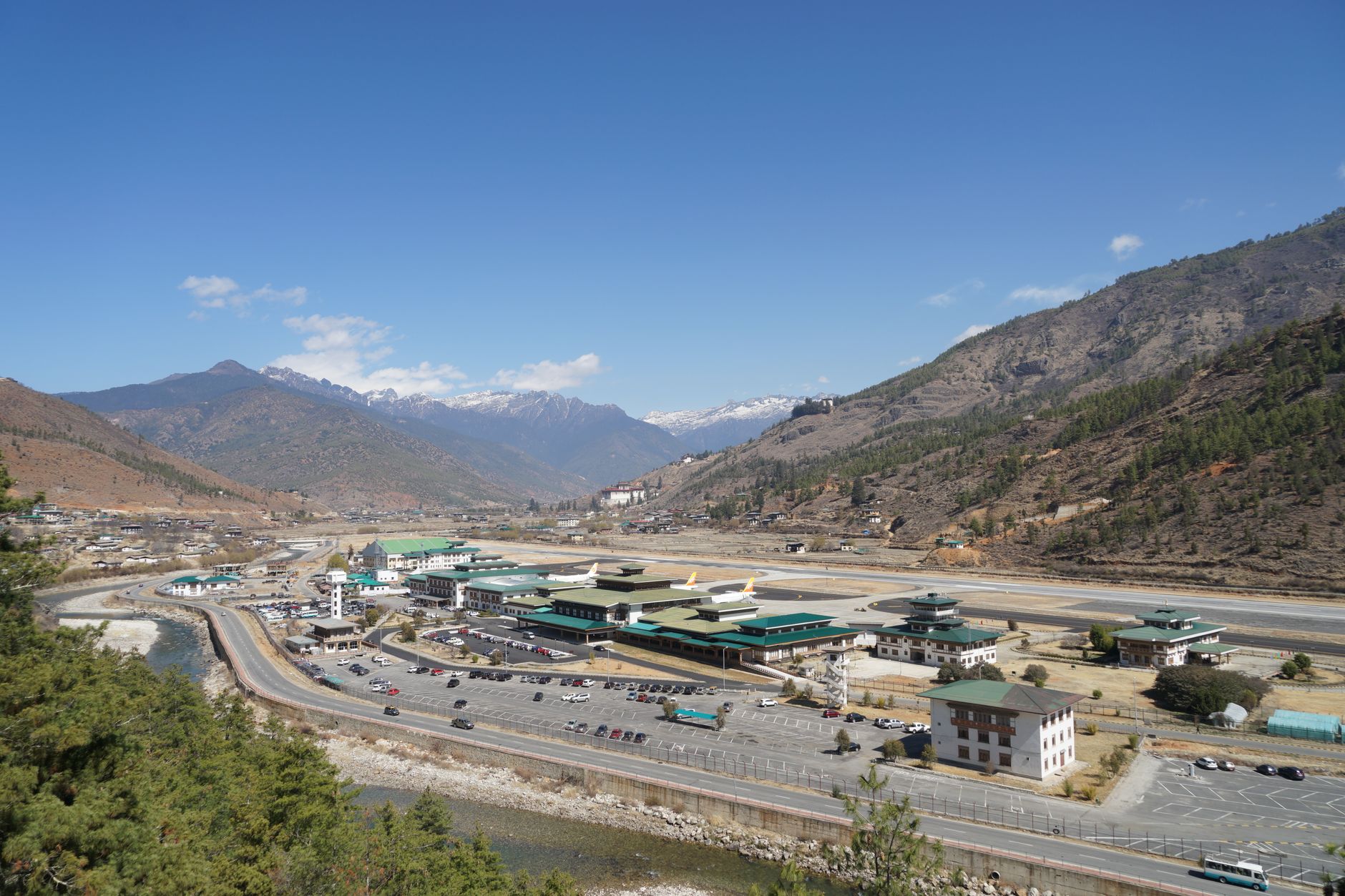
The airport: what the numbers mean
Lukla Airport, officially Tenzing-Hillary Airport (IATA: LUA, ICAO: VNLK), sits in the Sherpa town of Lukla, at the gateway to Sagarmatha National Park. Built in 1964 and renamed in 2008 after Hillary and Tenzing Norgay, it sits at 2,860 metres (9,383 ft) by most accounts — though Nepal's Civil Aviation Authority (CAAN) lists 2,846 metres (9,337 ft).
The runway is where the reputation comes from. It is 527 metres long and 20 metres wide, with an upslope of about 11.7% (commonly rounded to 12%); a typical international runway is 3,000 metres or more. Aircraft land going uphill, which helps them stop, and take off going downhill, gaining speed before the runway ends at a cliff edge. The uphill end meets a stone wall and a mountainside; the downhill end drops into the Dudh Koshi valley.
Three facts follow. First, visual flight rules only: no instrument landing system, no radar — pilots must see the runway from some distance out, and fog, low cloud or strong wind stops fixed-wing flights outright (visibility minimum around 5 km). Second, no go-around: once a pilot commits to landing there is no second attempt. Third, a short morning window: roughly 6 a.m. to 10 a.m. — if a flight has not landed by then, it usually does not land that day, and there are no night operations. Only specially certified, highly experienced Nepali mountain pilots fly the route, in small STOL aircraft — chiefly Twin Otters and Dornier 228s carrying 14–19 passengers.
Is it actually dangerous?
Calling Lukla the "world's most dangerous airport" is not wrong, but it is incomplete. The airport has had serious accidents, and no honest guide should pretend otherwise: a short sloped runway, thin air at altitude, mountain weather that changes within an hour, and no margin for error on approach is a genuinely unforgiving combination.
What it leaves out is how the system responds. Flights are cancelled constantly and deliberately — airlines and CAAN would rather strand a hundred trekkers in Ramechhap than fly into cloud at Lukla. Tens of thousands of passengers fly this route every year, and the overwhelming majority of flights in good weather are routine. The flight is safe when it flies, and it does not fly when it is not safe.
Why your flight probably leaves from Ramechhap
This is the single biggest planning surprise on an Everest trek. During the busy spring (roughly mid-March to mid-May) and autumn (roughly late September to late November), Kathmandu's Tribhuvan International Airport is too congested to handle Lukla traffic, so the whole operation moves to Manthali Airport in Ramechhap, about 130 km east of Kathmandu. For the 2026 autumn season, Manthali–Lukla flights restarted on 29 September 2026. For spring 2027, expect Ramechhap again during the March–May peak — confirm the departure airport with your airline a few days before you travel.
| From Kathmandu (off-peak) | From Ramechhap / Manthali (peak season) | |
|---|---|---|
| When | Off-peak months (roughly Dec–Feb, Jun–Sep) | Spring peak (about 1 Mar–31 May) and autumn peak (about 1 Oct–30 Nov) |
| Flight time | About 25–35 minutes | About 15–20 minutes |
| Getting there | Walk to the domestic terminal | 4–5 hour pre-dawn drive, usually departing around 1–2 a.m. |
| One-way fare, foreigner (2026, as reported) | About US$215–260 | About US$175–210, plus roughly US$20–30 for the road transfer |
No airline publishes a US-dollar fare table, so figures online come from agency reports and differ between sources — treat these ranges as a guide, not a quote. Book three weeks ahead for October and April, when seats sell out.
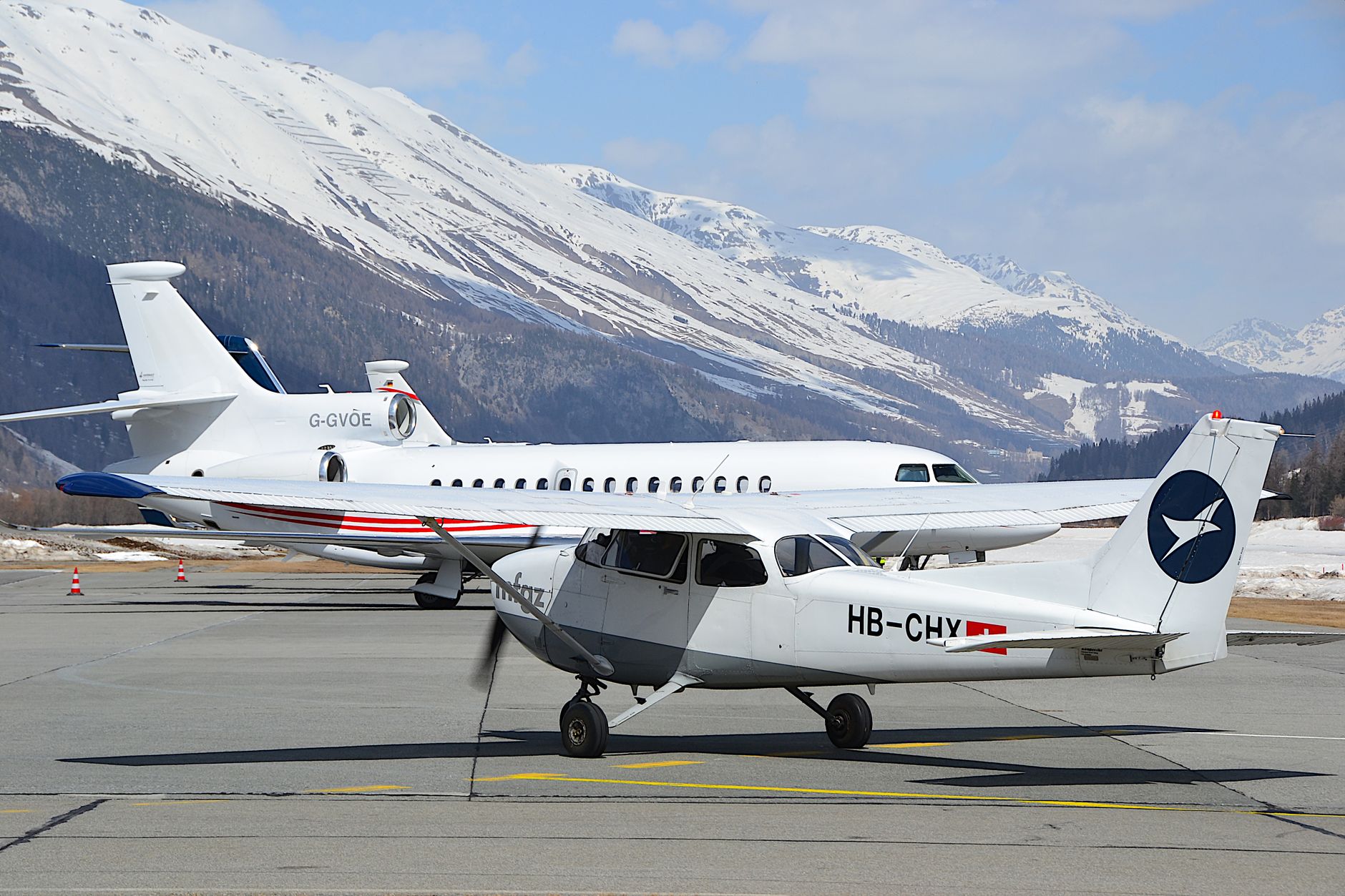
The airlines
Three domestic carriers operate scheduled flights to Lukla in 2026: Tara Air (Twin Otter DHC-6), Summit Air (formerly Goma Air) and Sita Air (Dornier 228). Sources differ on Summit Air's aircraft type, but all three fly small twin-engine STOL aircraft, from Kathmandu off-peak and Ramechhap in peak season, under the same weather rules — if one is not flying, the others almost certainly are not either.
Delays: how bad it gets, and the playbook
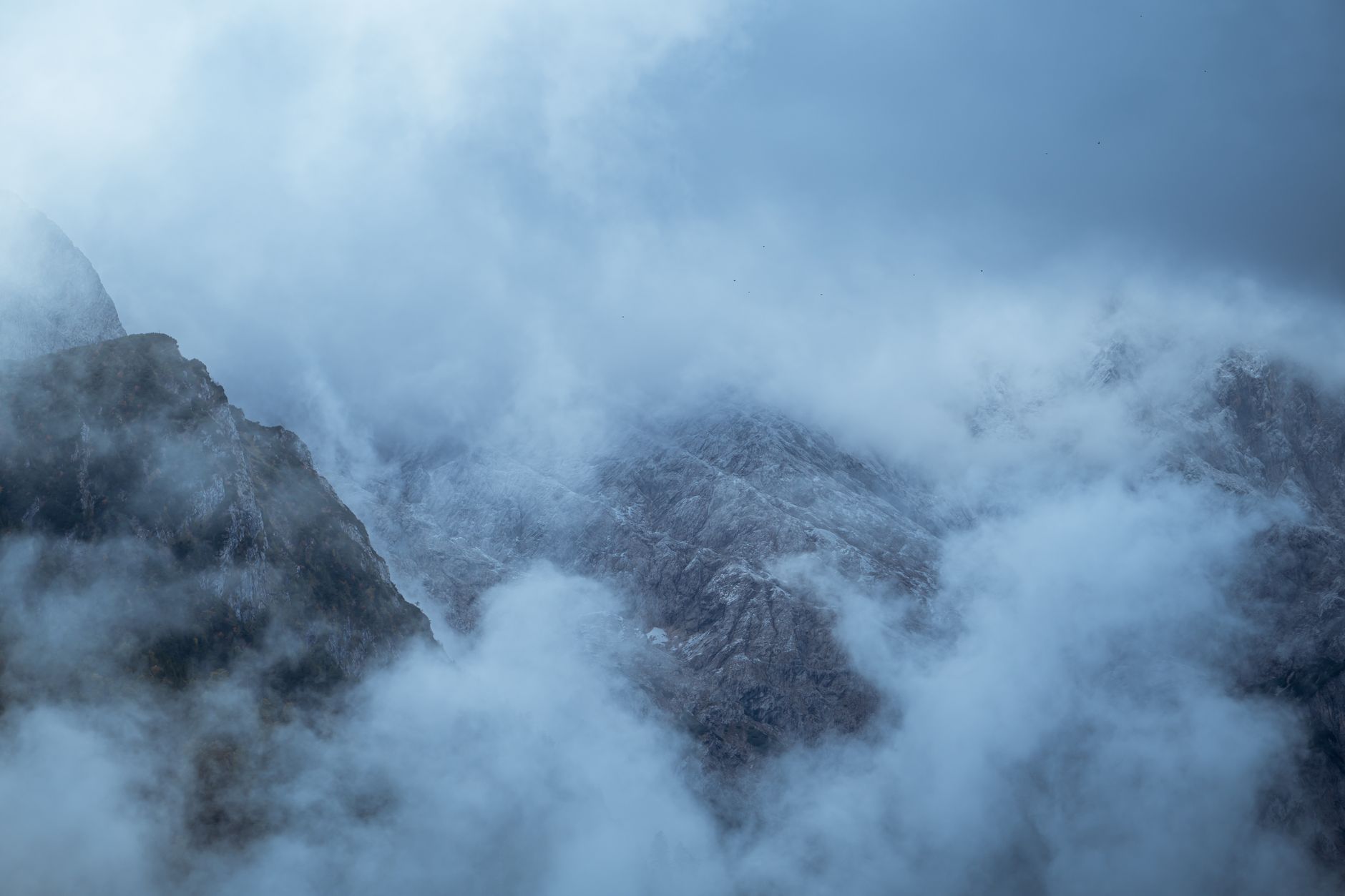
Most cancellations clear within a day: cloud forms overnight in the Dudh Koshi valley, burns off by mid-morning, and a 7 a.m. flight becomes a 10 a.m. flight or slips to the next morning. The trouble starts when bad weather lasts two or three days, because each lost day adds a full day of passengers to the queue.
Recent seasons show the pattern. October 2023: more than 200 Manthali–Lukla flights were cancelled over five days; around 1,200 tourists were reported stuck in Ramechhap. November 2025: Cyclone Montha grounded planes for three days. September 2026: a two-day stoppage left about 700 passengers waiting. No cancellation rate is published. The shape of the risk: a one-day delay is common, two to three days happens most seasons, and five to ten days happens every few years.
| Situation | What to do | What it costs |
|---|---|---|
| Delayed a few hours | Wait at the airport with your guide; flights often go once the cloud lifts by mid-morning | Nothing — same ticket |
| Cancelled for the day | The airline moves you to the next morning's departure, usually at no added cost; cancelled-flight passengers go to the front of the queue | A night's lodging |
| Two or more days of backlog | Consider a shared helicopter seat; helicopters need only about 1,500 m visibility (against about 5 km for planes), so they sometimes fly when planes cannot | Shared seat roughly US$450–700 per person one way in 2026; a private charter roughly US$2,500–3,500 per flight for up to five people |
Two rules sit underneath the table. First, never cancel your own ticket: let the airline cancel it — airline-cancelled tickets are generally rebooked or refunded in full, while a ticket you cancel yourself can attract a fee. Second, never cut an acclimatisation day to make up lost time.
Baggage: the 15 kg rule
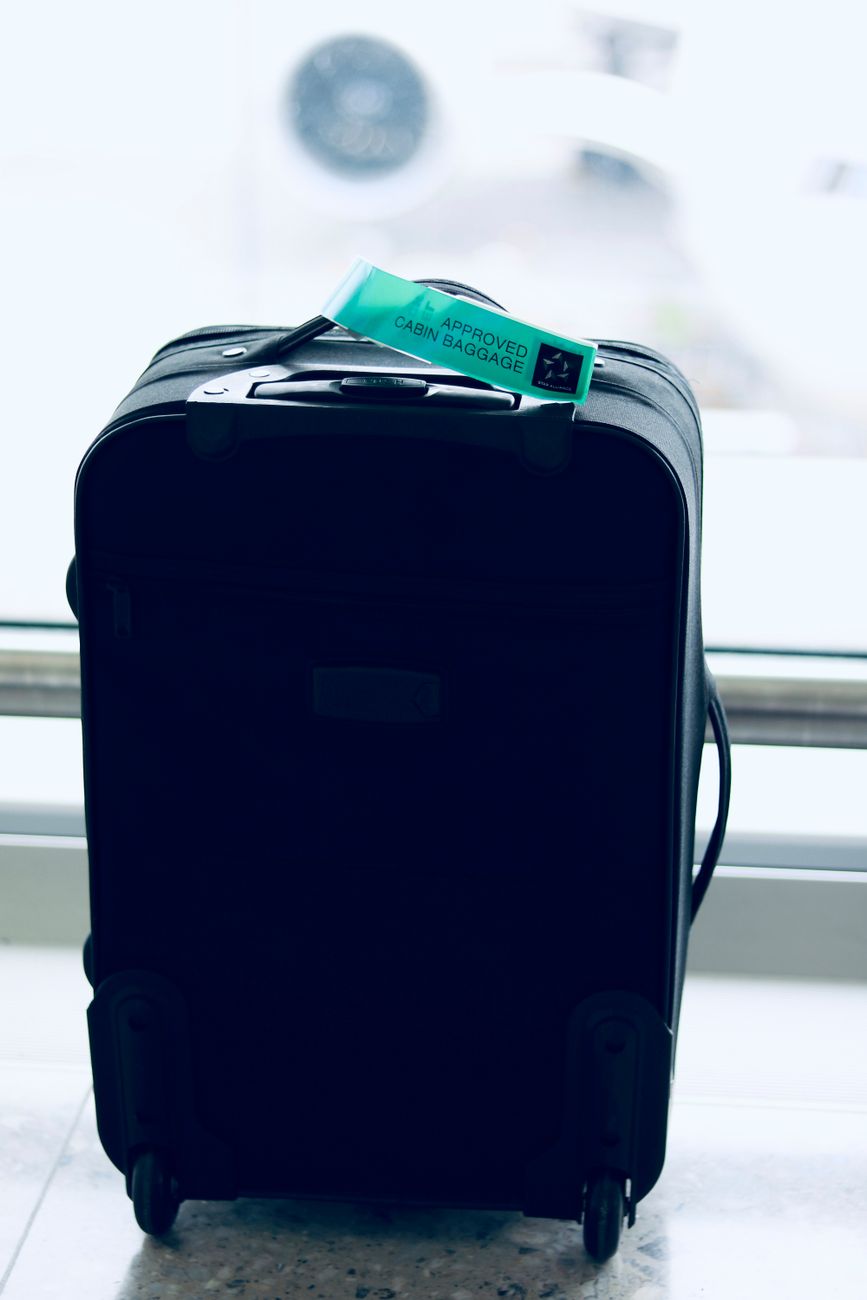
The limit is strict, and the same on all three airlines: 15 kg total per passenger — 10 kg of checked baggage plus 5 kg of hand luggage. Tara Air publishes this allowance (7 kg for children under 12); the other two publish no kilogram figure, but agency pages report the same 15 kg. Excess baggage is roughly US$1–2 per kilogram where space allows; on a full peak-season plane, extra bags may follow on a later flight. A bag left behind in Ramechhap is a problem, not a surcharge.
Pack deliberately: your duffel (10 kg) holds trekking gear, your daypack (5 kg) holds valuables, medicines, documents and electronics. The rest stays at your Kathmandu hotel, which will usually store it for free.
What actually happens on the day
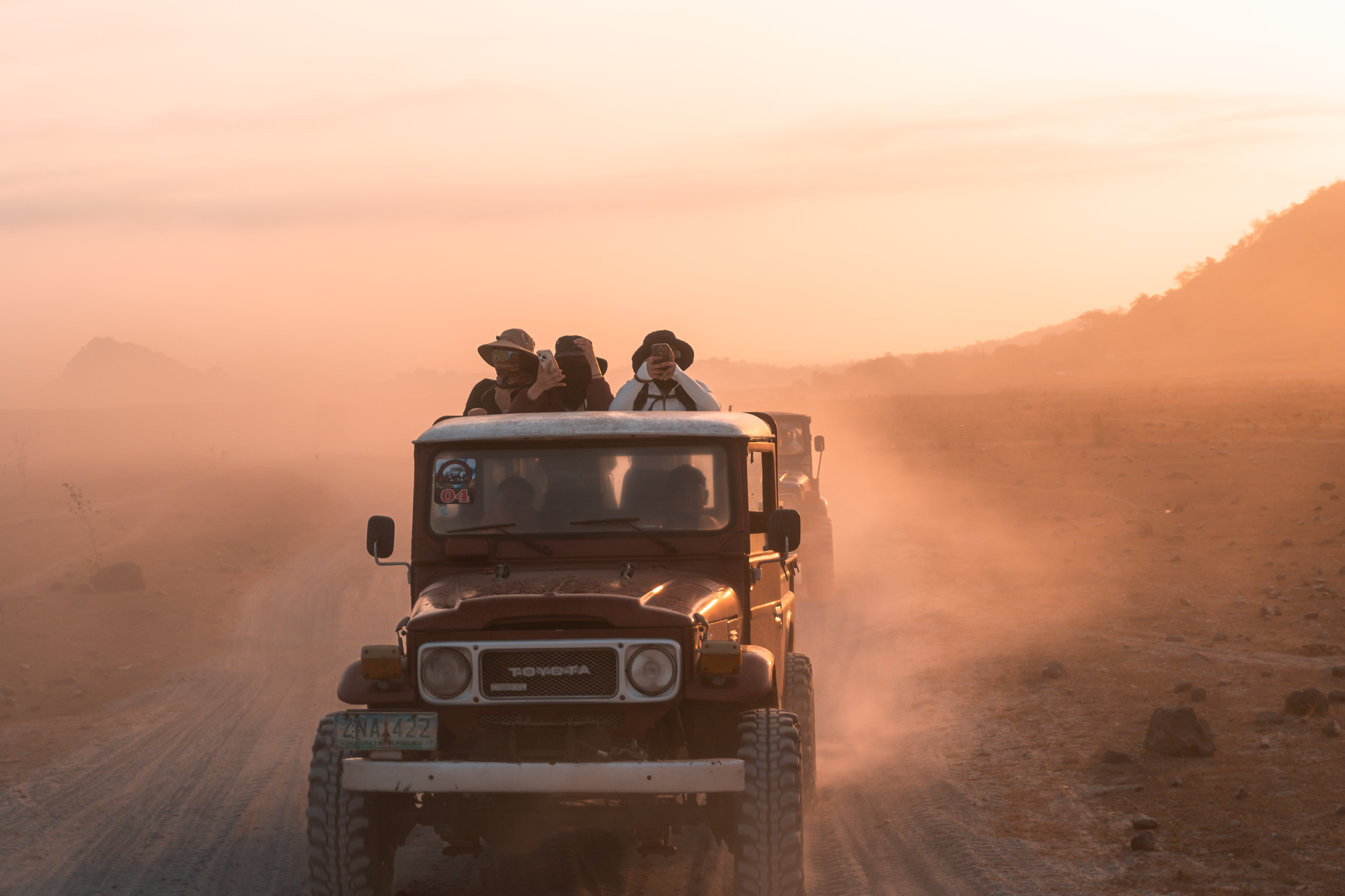
If the weather cooperates, the whole thing is almost anticlimactic. In peak season you leave Kathmandu around 1–2 a.m. for the 4–5 hour drive to Manthali on the BP Highway — ask your operator the evening before whether the road is clear after rain. At the airport, check in, have your bags weighed, and wait. The flight is 15–20 minutes from Ramechhap, or 25–35 from Kathmandu. The landing is the famous part: a steep descent, a firm touchdown on the uphill slope, and a quick stop.
On arrival, remember Lukla sits above 2,450 metres, where altitude sickness can begin — walk to Phakding, drink water, sleep low.
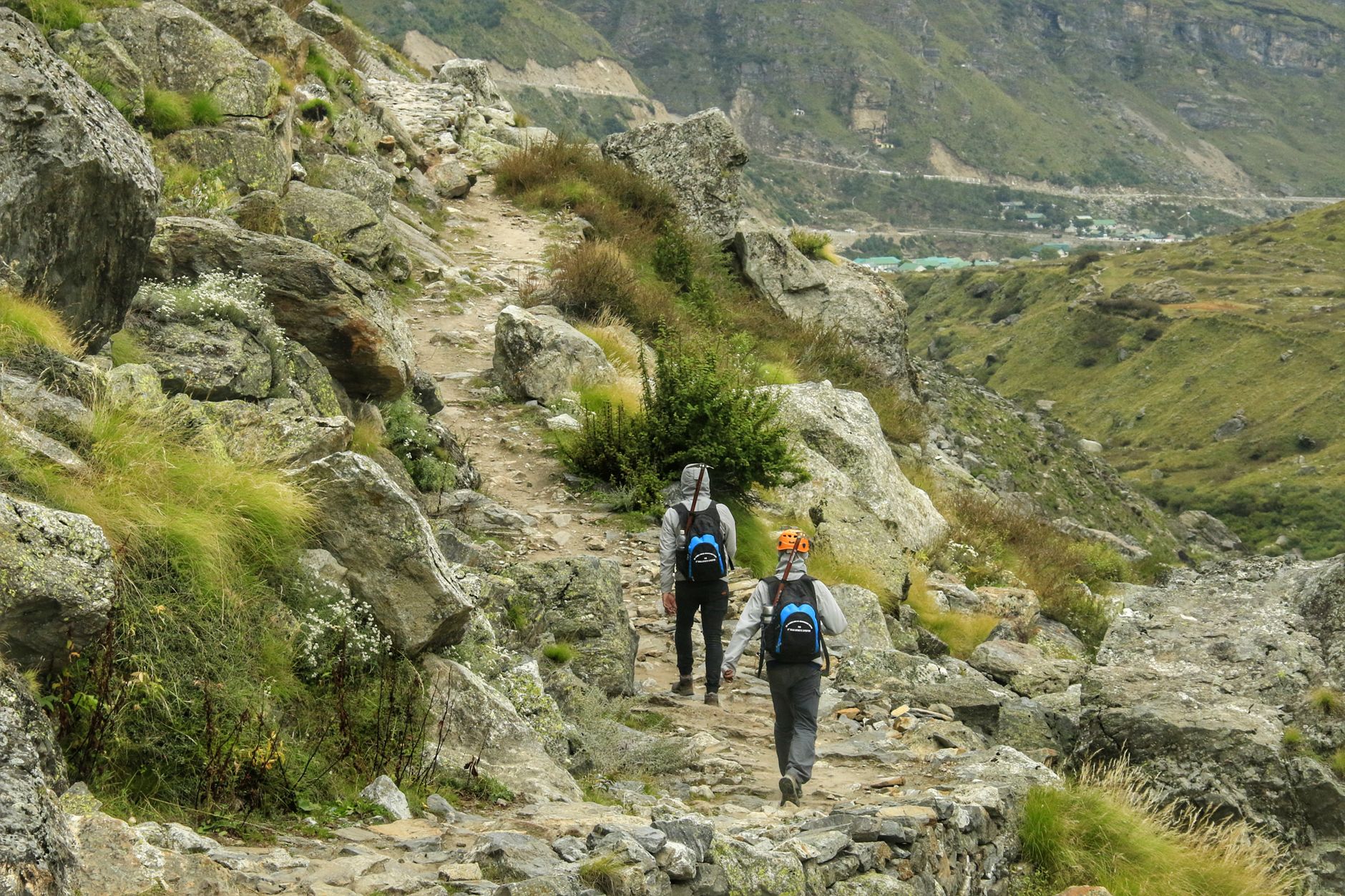
You do not have to fly at all: the overland route drives from Kathmandu to Salleri (about 265 km by jeep), then treks in through Paiya and Surke to join the classic trail at Phakding — roughly 17–20 days return, against 12–14 for the fly-in trek.
Before you fly: a five-minute checklist
- Read your ticket. Kathmandu or Ramechhap (Manthali)? In peak season, assume Ramechhap.
- Ask your operator or airline what time the road transfer leaves Kathmandu.
- Weigh your bags at home. 10 kg checked, 5 kg hand. If you are over, repack now, not at the check-in desk.
- Count your buffer days. Two spare days before your international flight home, minimum.
- Check your insurance covers helicopter evacuation and trip delay — carry the policy details in your daypack, not in the duffel.
- Keep cash on hand for the drive, extra nights and excess baggage; cards are unreliable at mountain airstrips.
FAQ
Is the Lukla flight really dangerous?
It is genuinely demanding — a 527 m sloped runway, no instrument landing, no go-around, mountain weather. But it is flown safely in good weather by specially certified pilots, and flights are cancelled at the first sign of marginal conditions.
Why do Lukla flights leave from Ramechhap instead of Kathmandu?
To ease congestion at Kathmandu's Tribhuvan International Airport in the busy spring (about March–May) and autumn (about October–November) seasons. The diversion started in April 2019 and has continued for peak seasons since. Manthali Airport in Ramechhap is about 130 km east of Kathmandu, a 4–5 hour pre-dawn drive. Dates shift each year — expect Ramechhap again for spring 2027.
How often are Lukla flights cancelled?
Often enough to plan for. Most cancellations clear within a day, but multi-day closures happen most seasons — October 2023 saw more than 200 flights cancelled over five days, and September 2026 a two-day stoppage with about 700 passengers waiting. No cancellation rate is published, so build in buffer days.
What is the baggage limit on a Lukla flight?
15 kg total: 10 kg checked plus 5 kg hand luggage (7 kg for children under 12 on Tara Air). Excess is roughly US$1–2 per kilogram where space allows.
What should I do if my Lukla flight is cancelled?
Stay with your guide and wait for the next morning's flight — the airline normally rebooks you at no extra cost, with cancelled-flight passengers at the front of the queue. If the backlog passes a full day, ask about a shared helicopter seat (roughly US$450–700 per person in 2026). If you must get out, walk down to Surke and take a jeep to Kathmandu via Salleri.
Conclusion
The Lukla flight deserves its reputation — and it deserves to be understood rather than feared. A 527-metre runway on a mountainside, flown by sight, in a short window of calm morning air, is one of the most demanding operations in commercial aviation, and one of the most carefully policed. Confirm your departure airport, weigh your bag before the airport does, and put two spare days at the end of your trip.
 English
 Chinese
 Spanish
 Polish
 Dutch
 German