
Updated: November 2026 — Thamel rental prices are street ranges gathered from 2026 shop guides and trekker reports; confirm the exact price in the shop before you pay. Prices and shop practices for 2027 are expected to stay close to these ranges, but always re-check on arrival.
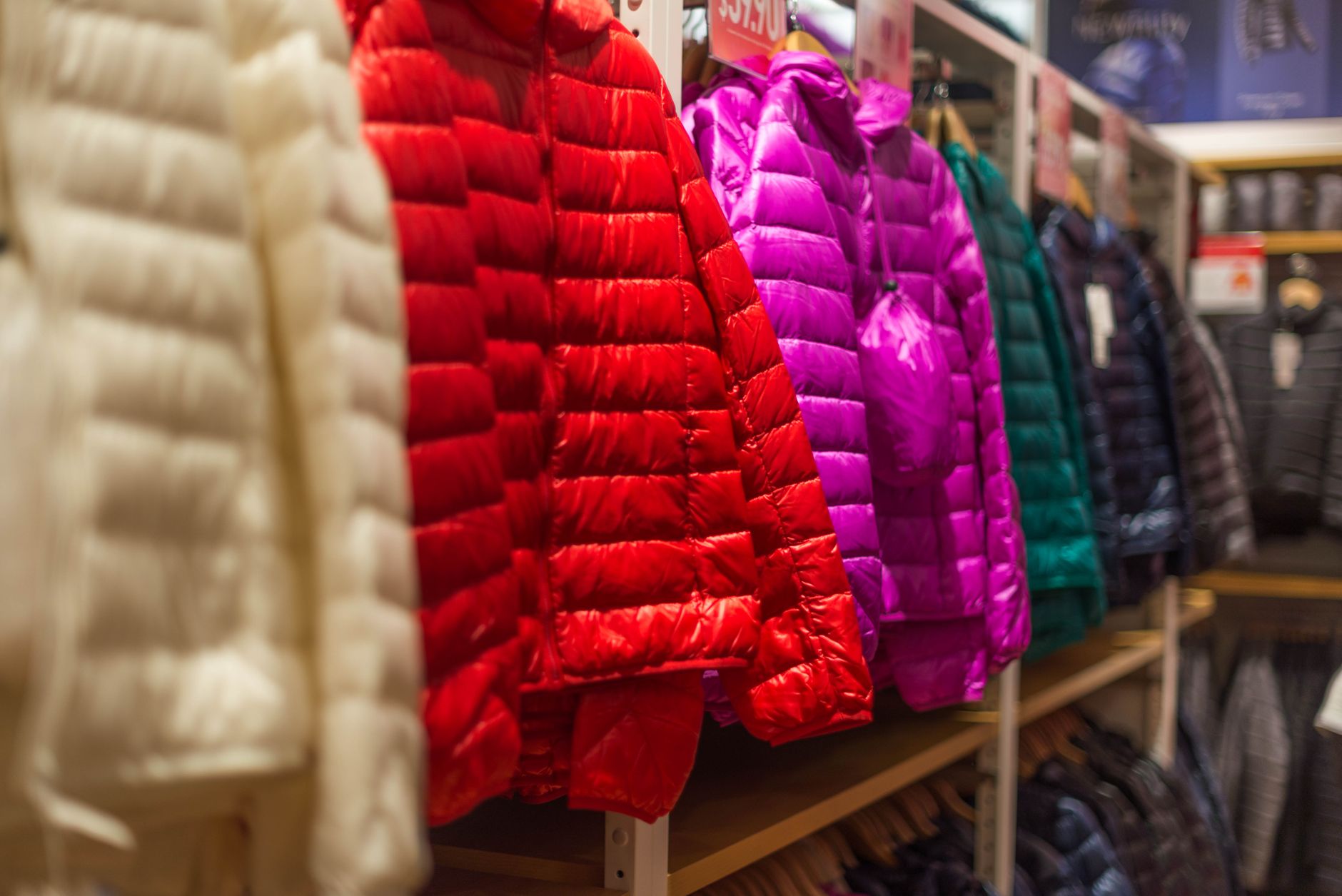
You do not need to own a four-season sleeping bag to trek to Everest Base Camp. In Kathmandu you can rent almost everything bulky — jacket, sleeping bag, poles, duffel — for about the price of a coffee a day.
The catch: not everything is worth renting. A sleeping bag that has lost its loft will not keep you warm at 5,000 metres, boots that do not fit will ruin a trek, and the deposit system — cash, passport copy, or both — catches out trekkers who never ask about it until they are at the counter.
Below are the real Thamel prices as of late 2026, checked against several 2026 shop guides — street ranges, so confirm every figure in the shop.
简短的回答
- Rent: down jacket, sleeping bag (−15 to −20 °C), trekking poles, duffel bag, and — only if your route needs them — crampons or microspikes and gaiters.
- Buy cheap in Thamel: gloves, warm socks, a headlamp, a water bottle, a fleece, trekking trousers. Small, cheap, yours to keep.
- Bring from home, broken in: your trekking boots. Never rent them, never buy them new in Kathmandu — a blister at 4,000 metres is a problem no rental shop can fix.
- Budget for a 14-day trek: renting the big three — jacket, sleeping bag and poles — costs roughly US$35–85 in total, against US$400–600 to buy the same gear at home, plus a refundable deposit of roughly US$100–200 for a full kit.
The price table: rent vs buy in Thamel vs buy at home
Rental is charged per day, from pickup to return. Longer rentals often earn a 20–50% discount for ten days or more. Where sources disagree, the table shows the full spread.
| 项目 | Rent in Thamel (per day) | 14-day rental | Buy new in Thamel | Buy at home (new) | Verdict |
|---|---|---|---|---|---|
| 羽绒服 | US$1–2; US$2–4 premium | US$14–56 | US$19–300 | US$200–350 | Rent, or buy local |
| Sleeping bag (−15 to −20 °C) | US$1–3; to US$4.50 premium | US$14–42 | US$23–450 | US$200–400 | Rent |
| 登山杖(对) | US$0.50–1 | US$7–14 | US$11–38 | US$80–150 | Rent |
| Duffel bag (60–80 L) | US$0.50–1 | US$7–14 | US$15–25 | US$40–80 | Rent |
| Crampons / microspikes | US$1–2; US$3–6 technical | US$14–28 | US$15–40 | US$80–200 | Rent if needed |
| 走士 | US$0.50–1; US$2–3 technical | US$7–14 | US$8–20 | US$30–60 | Rent if needed |
Sources disagree most on sleeping bags and jackets (US$1–2 vs US$1–3 a day; premium −30 °C bags to US$4.50). If a shop quotes far outside these ranges, walk to the next shop.
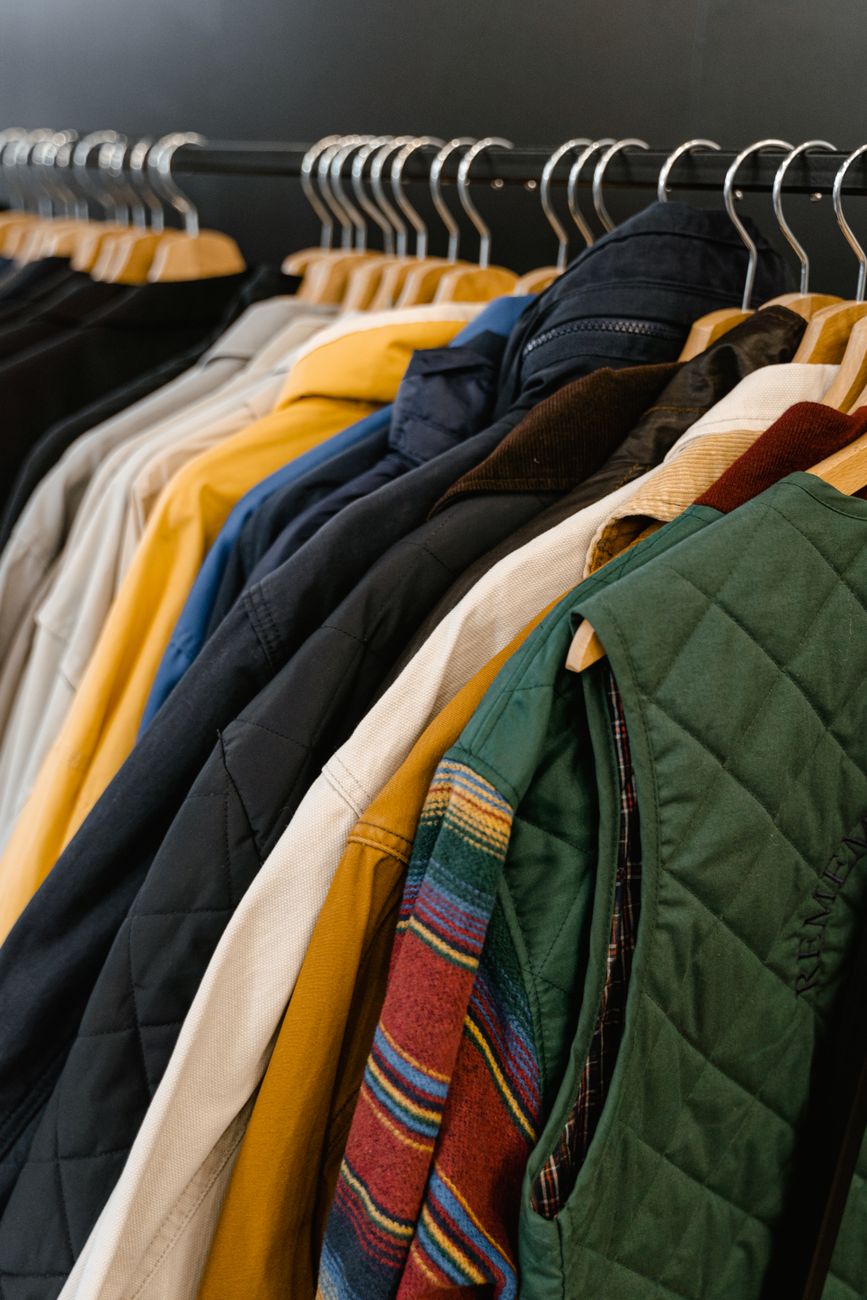
What to rent
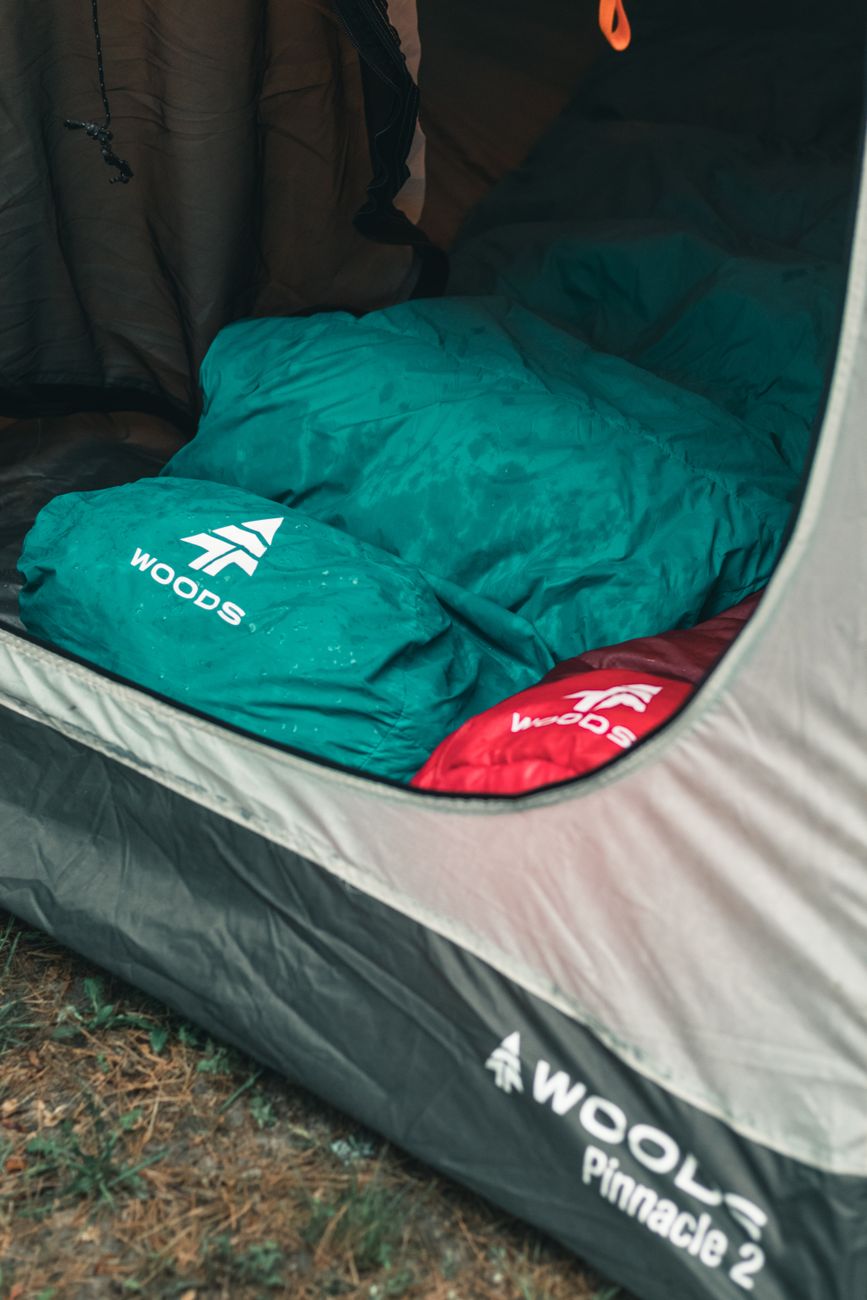
Sleeping bag — the best rental deal in Thamel
A quality four-season sleeping bag costs US$200–400 at home and weighs 1.5–2 kg. In Thamel the same bag rents for US$1–3 a day — US$14–42 for a 14-day trek, roughly a tenth of the purchase price.
First, rent to the comfort rating, not the survival rating: a bag labelled −15 °C may keep you alive at −15 °C and miserable at −5 °C. For Everest Base Camp in spring or autumn, ask for −15 to −20 °C; for winter, −25 to −30 °C. Second, bring your own liner for warmth and hygiene.
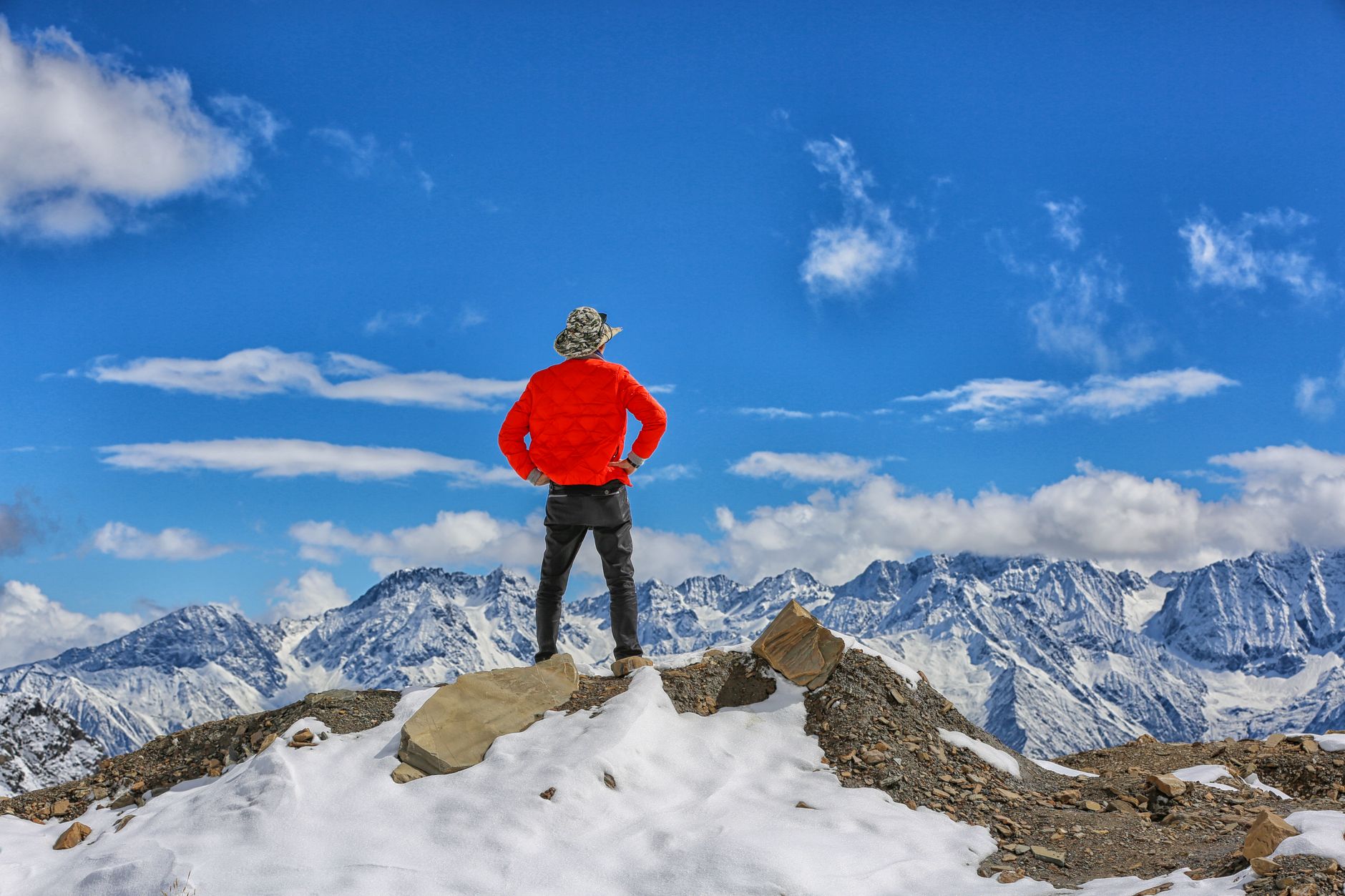
Down jacket — rent it, or buy a local one
Rental down jackets in Thamel are typically locally made, filled with duck down (roughly 550–650 fill power), at US$1–2 a day (US$2–4 for a heavier one) — US$14–28 over 14 days. For a single trek, renting is the obvious choice. The complication: a locally made jacket costs only about US$40–80 to buy new in Thamel, against US$200–350 for a premium brand at home. If you will trek again, buying local can be better value — but many "branded" jackets in Thamel shops are copies, and a cheap market jacket may be synthetic fill sold as down. Buy from a reputable shop.
Poles, duffel, crampons and gaiters
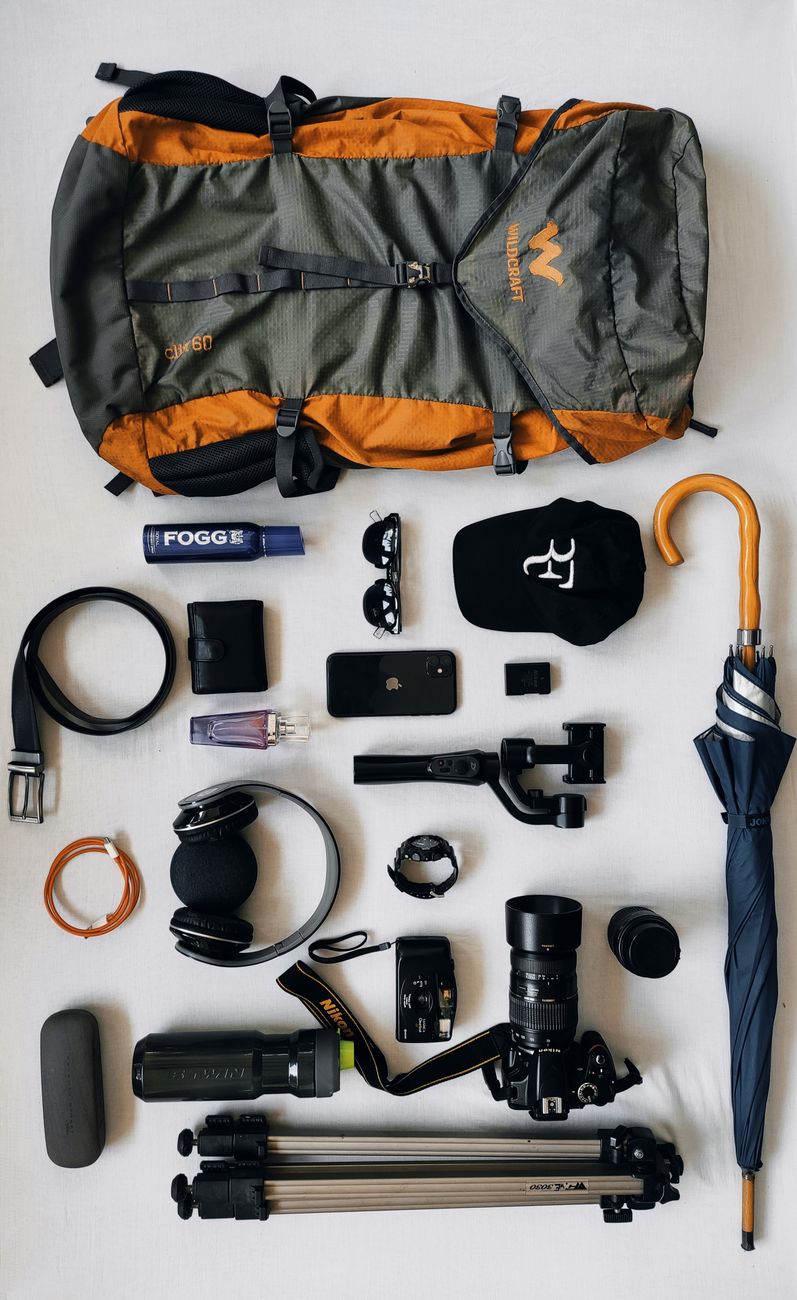
Trekking poles rent for US$0.50–1 a day per pair — US$7–14 for a whole trek — and save your knees on Nepal's long, steep descents. A duffel bag costs about the same. Poles go in checked luggage on the Lukla flight, never in hand luggage. For a standard Everest or Annapurna trek in spring or autumn, you do not need crampons. Microspikes (US$1–2 a day) are worth renting for a high pass early in the season or a winter trek. Full 12-point crampons (US$3–6 a day) are technical climbing gear for peaks like Island Peak, not for trekking. Gaiters (US$0.50–1 a day) keep snow out of your boots above 4,000 metres in winter.
What to buy cheap in Thamel
Some things are so cheap in Thamel that renting them is pointless and buying them at home is wasteful: gloves, warm socks, a headlamp, a water bottle, a fleece jacket (US$15–30), trekking trousers (US$15–25) and a warm hat — typically US$5–15 each, against two or three times that at home. Buy them on your first afternoon in Thamel and keep them. Thamel is full of convincing copies of famous brands: for gloves and socks that hardly matters; for a genuinely waterproof rain jacket, a harness or a helmet, it matters.
What to bring from home — especially your boots
Boots are the exception to every money-saving rule in this post. Never rent boots, and never buy a new pair in Kathmandu the day before your trek. Rental boots come in limited sizes with liners shaped by someone else's feet, and new boots need 40-plus hours of walking to break in. Blisters at altitude can end a trek. Bring boots you have already walked in for weeks, with the socks you will trek in, and carry them in your hand luggage if you can.
Also bring from home: technical base layers, a quality rain jacket, prescription sunglasses or glacier glasses, personal medications and a small first-aid kit, electronics and a daypack you trust.
Where to rent in Thamel
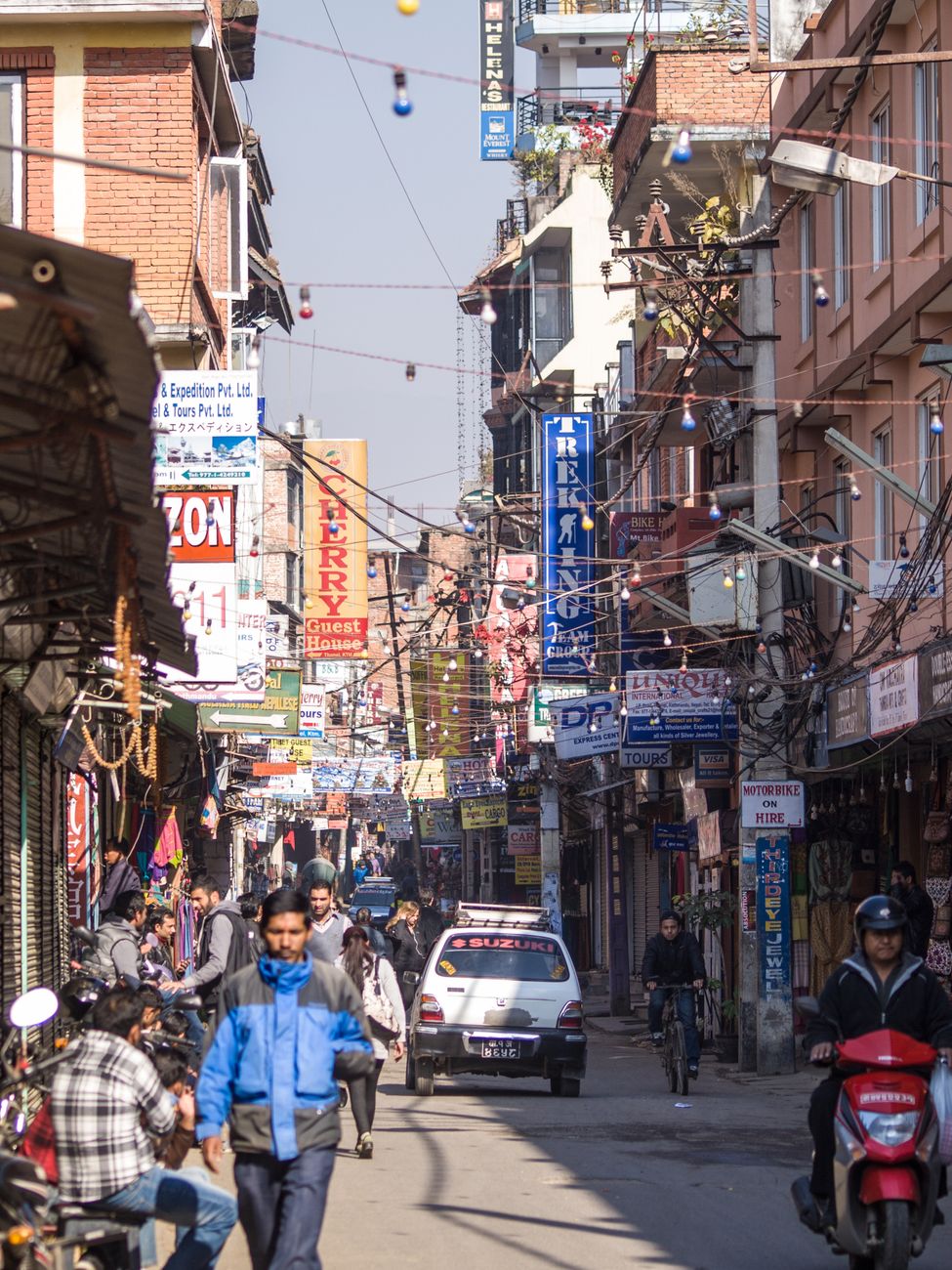
Rental shops cluster along Thamel Marg, Tridevi Sadak, Mandala Street and the lanes around Chhusya Bahal — within a few blocks you will find hundreds of shops selling and renting every piece of trekking equipment. Ask 你的向导 or your hotel for a reputable shop. Long-established specialists include Shona's Alpine Rental and Rolwaling Himalayan Equipment. If your trek is booked through an agency, ask them first — many lend a jacket and sleeping bag as part of the package.
Allow half a day in Kathmandu before your trek: go the afternoon you arrive, or the morning before departure at the latest. In peak months (October–November and April–May) the best-rated gear goes first. Check opening hours: you must return the gear the day you get back. Compare two or three shops — prices are negotiable.
The inspection checklist: check before you pay
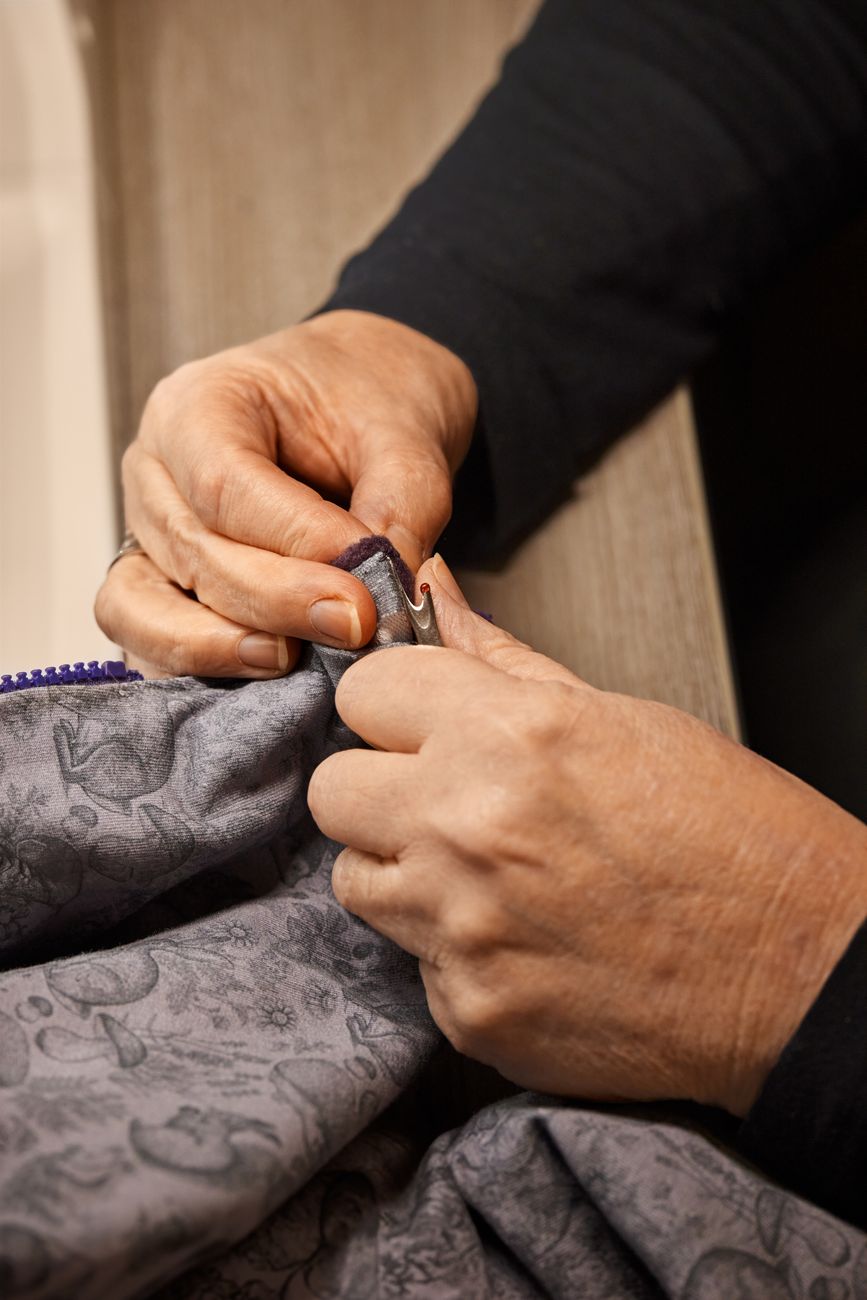
Rental gear has been used by many trekkers before you. Ten unhurried minutes in the shop is the difference between a warm night at Gorak Shep and a miserable one.
- Sleeping bag — loft and smell. Shake it out: a good down bag should puff up thick within a minute or two; a flat bag will not keep you warm. Smell it — damp or musty means it was stored wet. Check the zip and draft collar.
- Down jacket — fill and tears. Squeeze a sleeve and let go: it should spring back. Look for thin patches, run every zip, and check for tears under the arms and at the pockets.
- Trekking poles — locks. Extend each pole fully and put your weight on it — a pole that collapses under pressure is worse than no pole.
- Duffel bag — zips and straps. Open and close every zip, check the straps and handles, and look for holes in the base.
- Crampons and microspikes — points and straps. Count the points, check none are bent, and try the bindings on with your boots in the shop.
- Everything — the temperature rating. Read the label yourself; if the shopkeeper cannot explain the rating for your route, choose another shop.
Before you leave, get the deposit receipt in writing: every item, its condition, the daily rate, the number of days, the deposit paid, and the return date. Photograph each item and the receipt: without a written record, a scuff can become a charge.
Deposits: what to expect, and what never to hand over
Deposits are standard practice, but amount and form vary widely — this is where sources disagree most, so expect a range. Typical figures reported in 2026 are US$20–50 per item, or US$50–100 for a single sleeping bag or jacket, and US$100–200 in cash for a full kit. Some shops ask for NPR 2,000–5,000 per item, others accept a passport photocopy, and a few ask for a deposit equal to the item's full value. Bring enough cash, and keep the receipt safe: no receipt, no refund.
Never leave your original passport as a deposit. A photocopy is normal; your actual passport is not. If a shop insists on holding the original, walk away.
Why renting matters: the 15 kg Lukla rule
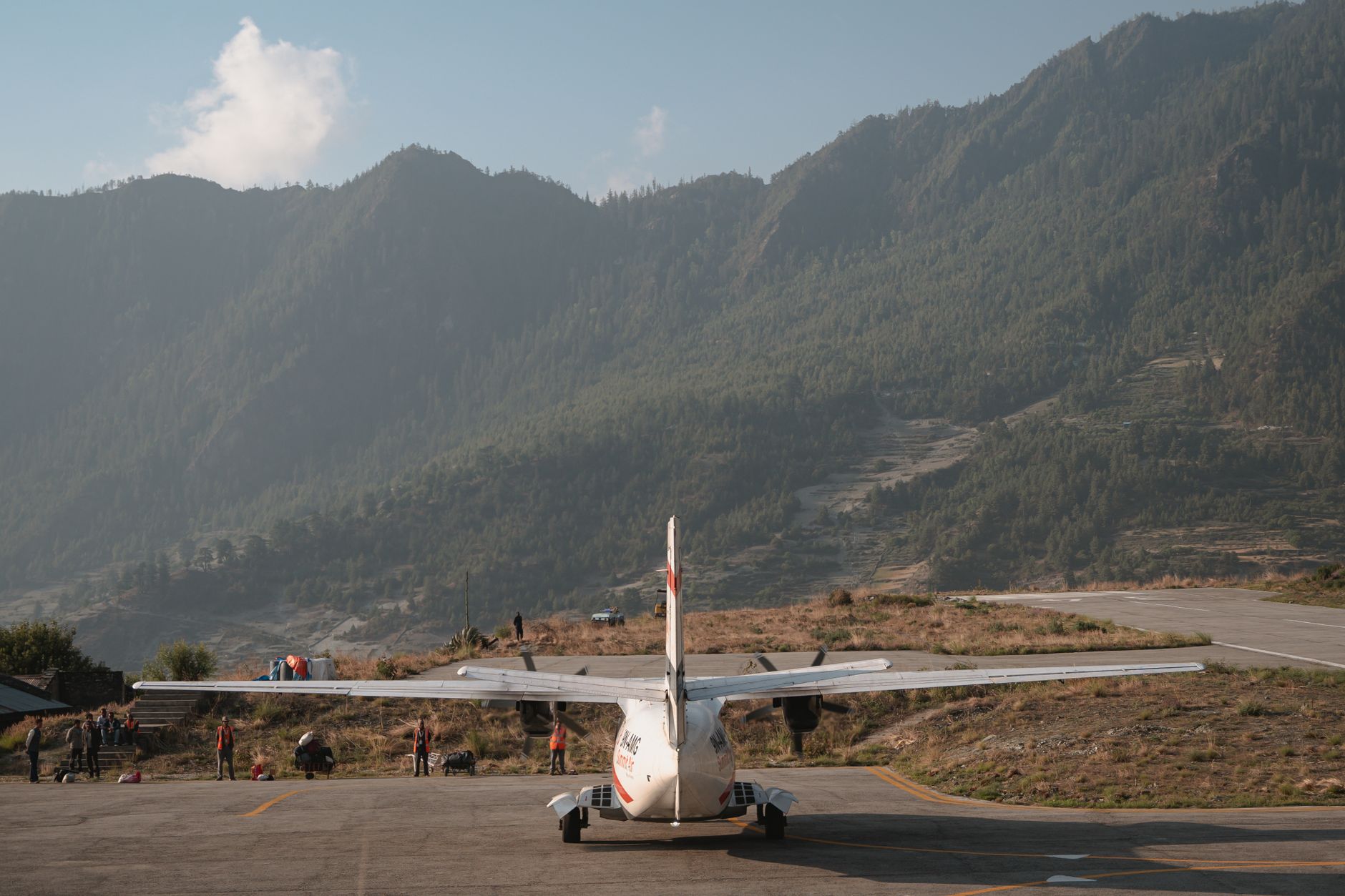
Flying to Lukla, renting in Kathmandu is not just cheaper but smarter: Lukla flights allow 15 kg in total per person — 10 kg checked and 5 kg hand luggage — strictly weighed. A sleeping bag and down jacket together weigh 2.5–3.5 kg, a fifth of your allowance. Rent them in Kathmandu and that weight stays out of your suitcase.
常问问题
How much does it cost to rent trekking gear in Kathmandu?
Roughly US$1–3 per item per day: a down jacket US$1–2 (up to US$4 premium), a −15 to −20 °C sleeping bag US$1–3, poles US$0.50–1, a duffel US$0.50–1. Renting the jacket, sleeping bag and poles for a 14-day trek costs about US$35–85, plus a refundable deposit of roughly US$100–200 for the full kit. Prices are Thamel street ranges — confirm them in the shop.
Is it cheaper to rent or buy trekking gear in Nepal?
For one trek, renting is far cheaper: a 14-day rental costs US$35–85, while buying the same gear at home costs US$400–600. Buying in Thamel sits in between (local down jacket US$40–80, synthetic sleeping bag US$23–60), so buying makes sense if you will trek again. Rent the bulky gear, buy the cheap accessories.
Can I rent trekking boots in Kathmandu?
You can — some shops offer them for roughly US$1.50–4 a day — but you should not. Rental boots come in limited sizes with liners worn to someone else's feet, and new boots need weeks of breaking in. Blisters at altitude can end a trek. Bring boots you have already walked in for at least 40 hours.
What deposit do Thamel rental shops ask for?
Expect US$20–50 per item, or US$100–200 in cash for a full kit (jacket, sleeping bag, poles). Some shops accept a passport photocopy instead of cash, and a few ask for a deposit equal to the item's full value. Get a written receipt. Never leave your original passport as a deposit — a photocopy is fine.
结局
Renting trekking gear in Kathmandu is one of the best deals in Himalayan travel: for roughly US$35–85, a 14-day trekker gets a sleeping bag, down jacket and poles that would cost US$400–600 to buy at home — and flies to Lukla without carrying that weight from home.
Three rules: rent the bulky cold-weather gear; buy the cheap small things in Thamel and keep them; bring your boots from home, broken in — no bargain in Thamel is worth a blister at 4,000 metres. Inspect everything before you pay, get the deposit in writing, and never hand over your original passport.
Prices are Thamel street ranges verified 20 November 2026; expect the same ranges in 2027, but confirm every price in the shop before you pay.
 Chinese
 English
 Spanish
 Polish
 Dutch
 German